Blog Post 4
For this session, we decided to base the learning objectives around agility and reaction time to a stimuli, and working in teams to complete objectives. The reason for this is that based off the composite youth development model, they are both skills that need to be improved at this age of development.
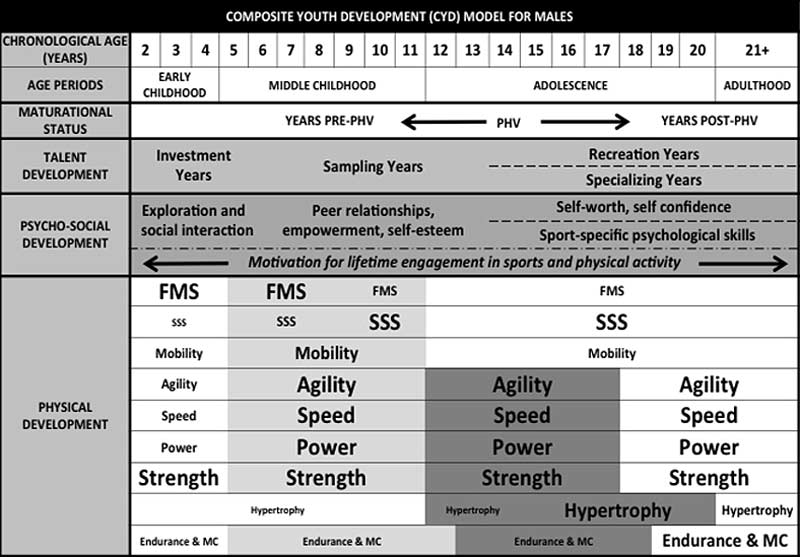
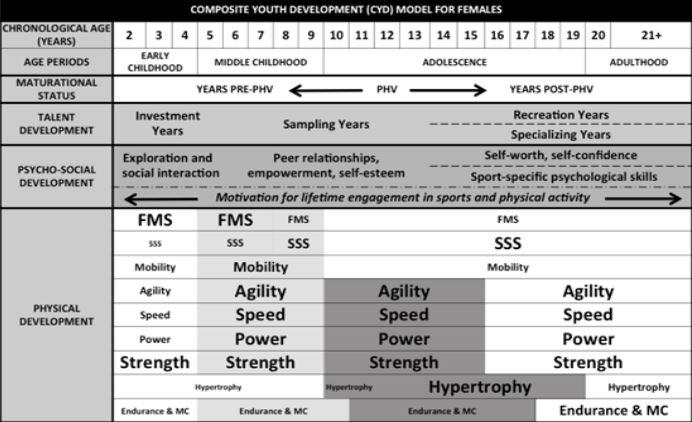
At this age group, we would expect the group to be able to complete the tasks we had set for them as they were easy enough to complete, however, we would expect to see them completed at different levels of ability. Some of the participants would have quicker reaction times compared to their peers.
In reality, we could see that this was actually the case. We had participants who were good with reaction time and some participants who were struggling more. This was an issue when it came to the segment of the session which involved competing against a partner or in groups of 3.
We could see the issue that if people were losing a lot against their partners or their groups, they didn’t look as motivated to complete the tasks. With our coaching behaviours, we knew we had to offer a lot of motivation and a lot of praise for effort (Erikson, 1995), but we also knew we had to change something for this activity to work.
We decided that it would be best for us to put them in their own pairs so we cold pair them off with somebody who we felt would be good competition for them. This way, they had an equal chance of winning compared to their peers and would provide them with more competence, and in turn, more determination in the activity (Deci and Ryan, 2012).
We found that this did work, and will be useful for future sessions as I now understand that when it comes to competition as a young age, the egocentric state will mean they always want to win, and losing will have a negative effect psycho-socially (Hogarth et al., 2001).
References
- Deci, E. L., & Ryan, R. M. (2012). Self-determination theory. In P. A. M. Van Lange, A. W. Kruglanski, & E. T. Higgins (Eds.), Handbook of theories of social psychology (p. 416–436). Sage Publication
- Erikson, E. H. (1995) Childhood and society. Rev. ed.
- Hogarth. Musch, J. and Grodin, S. (2001) ‘Unequal Competition as an Impediment to Personal Development: A Review of the Relative Age Effect in Sport’, DEVELOPMENTAL REVIEW, p. 147.
- Lloyd, R. S. and Oliver, J. L. (2012) ‘The Youth Physical Development Model: A New Approach to Long-Term Athletic Development’, Strength & Conditioning Journal (Lippincott Williams & Wilkins), 34(3), pp. 61–72.
 Callum Bruce - Coaching Context Placement Blog